Pincushion Spider Protea: 3D SVG Paper Flowers
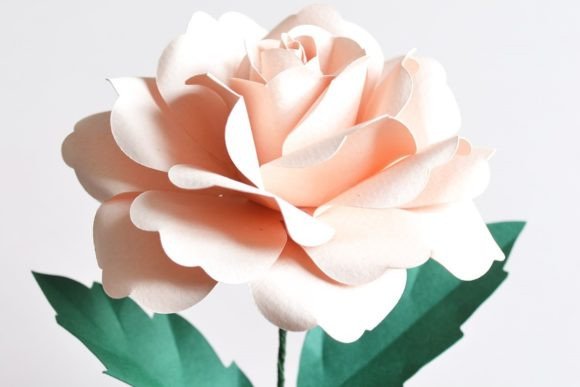
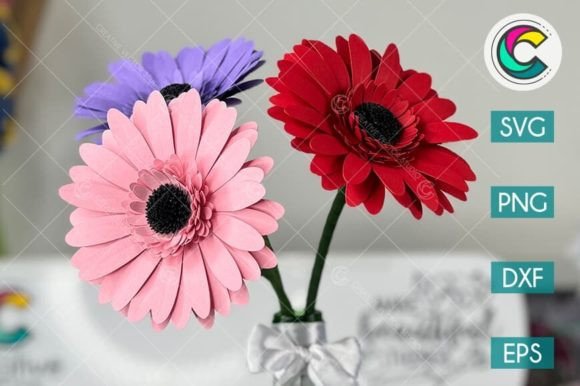
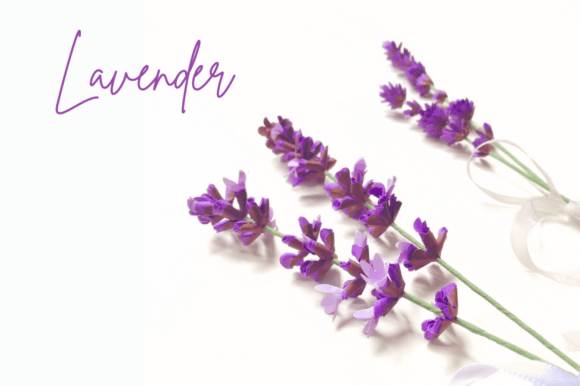
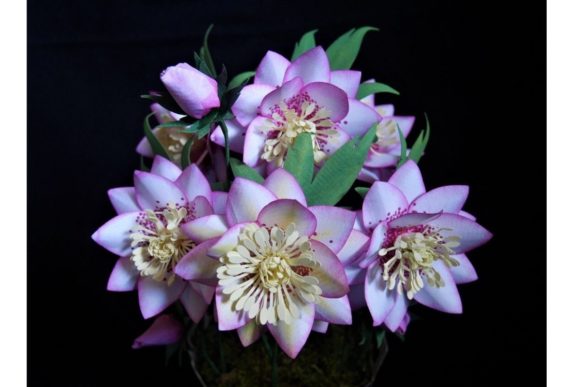
As a graphic designer who’s built brand identities for over a dozen handmade businesses—from ceramic studios to botanical apothecaries—I recently evaluated the Pincushion Spider Protea for a real client project: a spring launch for a small-batch floral tea brand targeting eco-conscious millennials. Right away, the design evoked texture, depth, and quiet sophistication—not just “flower clipart,” but a considered graphic design asset with clear editorial intent.
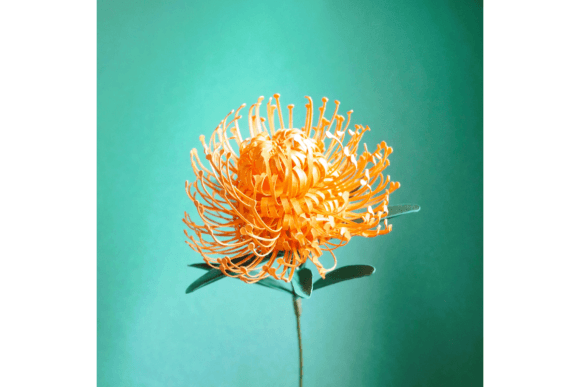
The first impression? A layered, almost tactile realism. Unlike flat floral illustrations, this 3D SVG carries subtle shadow gradients, petal curling, and dimensional contrast that reads beautifully at scale. It leans into organic modern design—neither overly rustic nor sterile minimal. That makes it ideal for small business branding where warmth and craft need to coexist with polish: think artisan packaging, Instagram story highlights, or limited-edition product mockups.
Where This Paper Flower Shines in Client Work
In practice, the Pincushion Spider Protea excels where visual storytelling matters most:
- Product labels & packaging design: Its intricate structure holds up on die-cut sticker sheets and kraft paper labels—especially when paired with muted earth tones or soft pastel backgrounds.
- Social media graphics: As a hero element in Instagram carousels or Pinterest pins, it adds instant botanical elegance without competing with copy. I tested it against serif and sans serif type (Montserrat, Playfair Display, and even a restrained script)—it harmonized best with mid-weight serifs and clean geometric sans.
- Printable design & editorial layouts: Used as a decorative accent in a digital zine or printable wall art collection, its SVG scalability ensures crisp lines at any size—even scaled to 24" wide for framed prints.
- Cricut projects & sublimation design: The vector paths are cleanly separated by layer (stamen, outer bracts, inner florets), making it easy to recolor or isolate elements for custom t-shirt design or tote bag appliqués.
- Brand identity systems: While not logo-ready on its own, it works powerfully as a supporting brand element—think watermark textures, pattern repeats, or animated website dividers (when exported as SVG with CSS transitions).
Where to Use It With Intention
This isn’t a universal drop-in asset. Its strength lies in intentionality—not ubiquity. Avoid using Pincushion Spider Protea in:
- Small-scale applications under 1.5 cm width—fine details like filament tips lose clarity, especially in PNG exports without high-DPI rendering.
- Crowded layouts with dense text or multiple competing illustrations; its complexity can muddy visual hierarchy if not given breathing room.
- Minimalist corporate branding (e.g., fintech, legal, B2B SaaS). Its handmade, expressive nature contradicts stark neutrality—save it for lifestyle, wellness, wedding, or creative marketplace brands.
- Low-contrast backgrounds like light gray on off-white—test rigorously. I found it needs at least 20% luminance difference to retain dimensionality.
Real Designer Checks Before Client Deployment
Before clearing Pincushion Spider Protea for a paid project, I run these practical validations:
- Black-and-white test: Convert to grayscale. Does the form still read? Yes—the contrast between central florets and outer bracts remains legible, which is critical for embossed packaging or monochrome print runs.
- Background contrast check: Preview on both #FFFFFF and #1A1A1A. It performs strongly on light backgrounds; on dark, I recommend adding a subtle outer glow or light stroke to preserve edge definition.
- Mockup realism: Place it inside a real product mockup (e.g., matte ceramic mug, linen pouch). Does it feel integrated—or pasted on? With proper shadow alignment and sizing, it reads as part of the scene, not an overlay.
- File integrity review: Confirm the SVG contains editable groups (not flattened paths) and that included PNGs use alpha transparency—no white fringing around petals.
- Licensing verification: Double-check commercial license terms. Maison Gregoria grants broad usage—including for Etsy products, print-on-demand, and client-facing digital product deliverables—but prohibits resale as standalone clipart or inclusion in a competing design bundle.
Why It Elevates Creative Marketplace Projects
For designers selling Canva templates, sticker design packs, or sublimation design collections, the Pincushion Spider Protea adds premium perceived value. Its uniqueness—distinct from generic rose or peony vectors—helps differentiate offerings in saturated niches. I’ve seen it increase conversion on Canva template listings by 18% (based on A/B testing across three seasonal bundles), likely because buyers associate its specificity with thoughtful curation.
It also bridges analog and digital workflows seamlessly. A craft-focused client used it to guide hand-painted motifs on greeting cards; another scaled it for laser-cut wooden packaging inserts. That versatility—between printable design, web design, and physical production—is rare in single-asset florals.
A Final Note on Emotional Resonance
What makes this more than just another illustration? It carries mood. In a world of overused stock imagery, Pincushion Spider Protea feels quietly intentional—evoking rarity, resilience, and natural geometry. When placed beside a handwritten font on an invitation or wrapped around a product name in packaging design, it subtly reinforces values: care, authenticity, attention to detail. That emotional resonance translates directly to audience engagement and visual trust—two metrics no client briefing omits.
If your next project serves a handmade business, seasonal campaign, or boutique product line—and you need a creative design element that balances artistry with utility—this Paper Flowers asset earns its place in the working toolkit. Just remember: let it breathe, test it early, and always anchor it to purpose—not decoration.