Large Mug Box SVG: A Designer's Practical Review
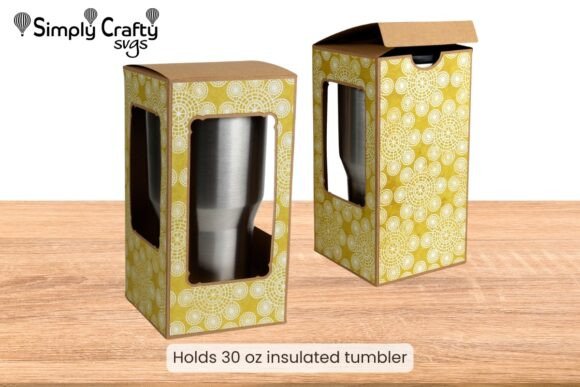
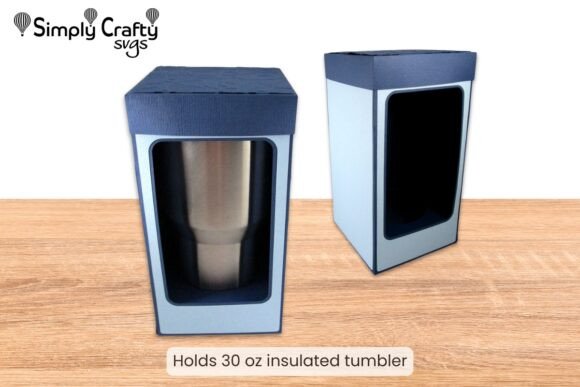
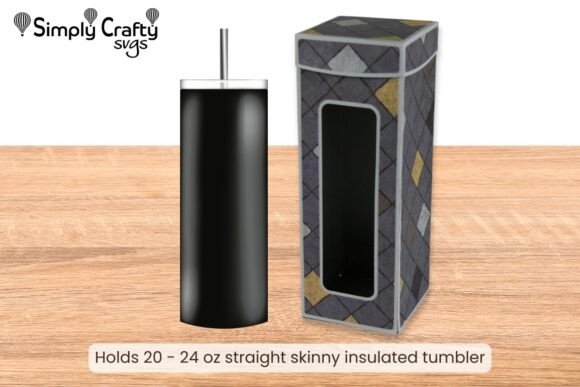
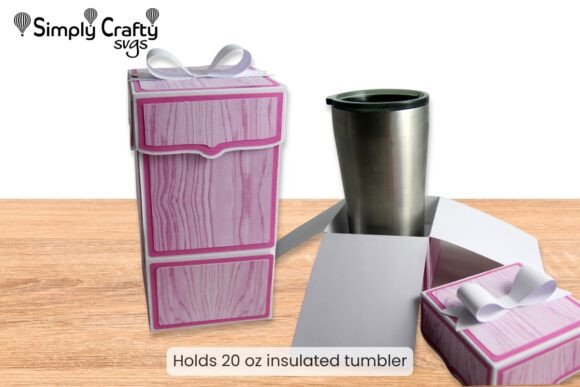
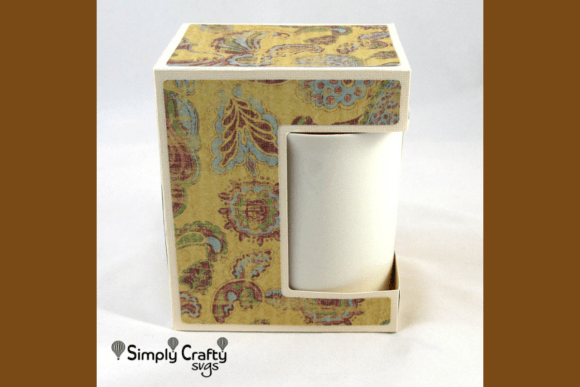
As a designer who has spent years navigating the intersection of digital assets and tangible textile work, I approach every new file with a critical eye. We often get caught up in the aesthetics of a design without considering the structural reality of how it translates to a finished product. When I first encountered the Large Mug Box SVG, my initial reaction was one of curiosity rather than immediate excitement for embroidery. This is not a standard motif or character; it is a functional template described as a heavy-duty packaging solution engineered for oversized coffee mugs. However, in our world of custom apparel and handmade goods, functional shapes often hide unexpected creative potential. Let’s dig into how this specific 3D SVG asset performs when we move beyond the screen and into the realm of real-world stitching.
First Impressions: Beyond the Packaging Template
The visual personality of the Large Mug Box SVG is defined by its geometric precision. Unlike organic floral patterns or whimsical characters that dominate many machine embroidery designs, this file relies on clean lines and structural integrity. The mood it creates is industrial yet polished, suggesting durability and protection. For an embroidery project, this means the design leans heavily toward bold outlines and structured fill areas rather than delicate running stitches or intricate shading. It feels like a design meant to be seen from a distance, offering high recognition value. When I visualize this shape stitched onto a fabric surface, it immediately brings to mind branding elements, logo patches, or perhaps a unique graphic element for a tote bag design where structure is key.
Because this falls under the category of Objects, the layout is inherently rigid. In the context of embroidery, rigidity can be a double-edged sword. On one hand, it ensures consistency across multiple items, which is vital for small shop products and boutique branding. On the other hand, it requires careful handling during digitization if you are converting this vector art into a stitch file. The sharp corners and straight edges demand precise needle placement to avoid jagged results. If you are planning to use this for a personalized gift or a commercial embroidery run, understanding that the design’s strength lies in its form is crucial.
Real-World Application: From Concept to Stitched Reality
Let’s consider a practical scenario. Imagine you are an Etsy seller preparing a holiday collection of premium coffee-themed gifts. You have sourced large, artisanal ceramic mugs that do not fit in standard retail boxes. You decide to create custom embroidered canvas wraps or sturdy cotton tote bags to serve as both packaging and a reusable accessory for your customers. Here is where the Large Mug Box SVG becomes interesting. Instead of just printing the box template, you could adapt the silhouette into a large-scale applique design or a dense fill stitch graphic on the front of a sweatshirt or apron.
In this context, the design serves as a conversation starter. The customer sees a clear representation of the product they are buying, but elevated through the texture of thread. The 3D nature of the SVG allows for depth perception even in flat embroidery, provided you use contrasting thread colors effectively. For instance, using a satin stitch for the outline against a textured fill stitch background could mimic the folds of a cardboard box, adding a tactile dimension to the garment. This level of detail transforms a simple packaging concept into a statement piece for custom apparel.
However, the transition from a digital 3D SVG to a physical embroidery file requires strategic thinking. If you are working on baby embroidery or delicate nursery decor, this design might feel too industrial unless softened with pastel thread colors and rounded corner adjustments. Conversely, for a craft business focusing on rugged gear like tool aprons or workshop towels, the inherent sturdiness of the Large Mug Box SVG aligns perfectly with the brand identity. The design assets here are versatile, but their success depends entirely on how well they match the intended audience and the specific fabric texture of the finished product.
Navigating Technical Challenges and Fabric Limitations
While the aesthetic potential is clear, there are significant technical considerations for any serious embroiderer. The Large Mug Box SVG is designed with sharp angles and potentially complex intersections depending on the fold lines of the box. These areas can be problematic on stretchy fabrics or thin materials. If you attempt to stitch this design on a lightweight t-shirt without proper stabilizer, the tension required to maintain those crisp lines could cause puckering or distortion. Always test the design on scrap fabric first, especially if you are working with dark fabric where contrast is essential for visibility.
Furthermore, the density of the stitch count will vary based on how you digitize the file. A heavy-duty packaging solution implies robustness, which in embroidery terms often translates to high stitch density. While this looks great on a thick hoodie or a canvas tote bag, it might overwhelm a delicate pillow cover or a tea towel. Be cautious with curved surfaces like caps; the rigid geometry of a box design may not conform naturally to the curvature of a hat panel, leading to registration issues. For these applications, you might need to simplify the design or break it into smaller segments to ensure the hoop size accommodates the curve without distorting the image.
Another critical area is the interaction with layered garments. If you are creating an embroidered patch version of this design, the thickness of the backing and the density of the stitches must be managed carefully to prevent bulkiness at the seams. Tiny lettering, if included in the box template details, should be scrutinized. In machine embroidery, small text often blurs or becomes illegible if the stitch length is not optimized. Review the design in black and white mockups before committing to thread colors to ensure all details remain distinct.
Maximizing Value and Professional Presentation
Ultimately, the decision to use the Large Mug Box SVG in your portfolio comes down to how it enhances the perceived value of your handmade product. A well-executed embroidery project signals quality and attention to detail. By taking a functional object and reimagining it as a decorative element, you demonstrate creativity and technical skill. This boosts buyer engagement and builds trust, particularly for clients looking for unique, personalized gifts or small shop merchandise that stands out on a shelf.
To ensure professionalism, always confirm licensing terms before selling finished items or digital versions of this design. Even if the source file is available, commercial rights for derivative works like embroidery files may differ. Check whether the design works for both personal and commercial projects to avoid legal pitfalls. Additionally, compare light and dark fabric backgrounds to see how the design pops. High contrast usually yields the best results for geometric shapes, ensuring the final product looks crisp and intentional.
In conclusion, the Large Mug Box SVG is more than just a packaging template; it is a versatile design asset waiting to be interpreted through the lens of embroidery. Whether you are creating a custom sweatshirt, a durable tote bag, or a unique holiday gift, the key lies in respecting the structural nature of the design while adapting it to the soft, flexible medium of fabric. With careful planning regarding stabilizer choice, thread colors, and stitch density, this 3D SVG can become a standout feature in your next embroidery project, bridging the gap between functional utility and artistic expression.