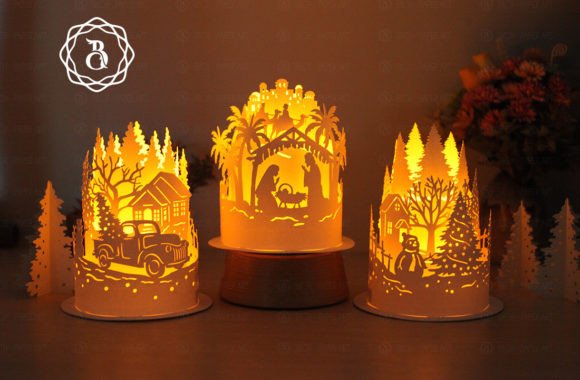
Combo 3 Items Christmas Paper Lanterns
A Designer’s First Look: Delicate, Festive, and Surprisingly Versatile
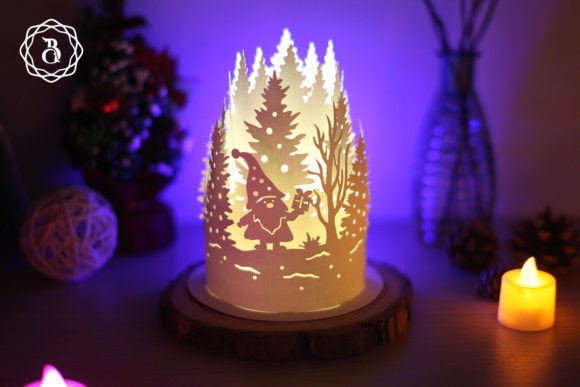
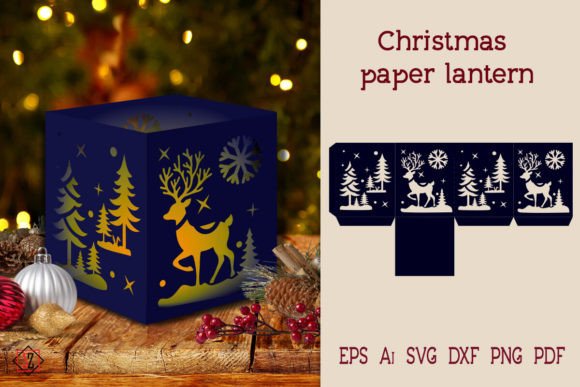
When I opened Combo 3 Items Christmas Paper Lanterns, I didn’t see just another holiday design—I saw a quiet moment of handmade warmth. The three lanterns—each with subtle cut-paper geometry, gentle curves, and open negative space—immediately read as elegant rather than busy. This isn’t a bold, high-contrast motif meant for stadium-sized sweatshirts. It’s quieter. Thoughtful. The kind of embroidery design that makes someone pause mid-scroll on Etsy and whisper, “I need that on a linen tea towel.” As a designer who regularly tests files for client projects and small-batch production, my first instinct was to ask: *Where does this live best—not in theory, but in real stitching, real fabric, real hands?*
Where It Shines: Real Projects That Feel Intentional
I tested Combo 3 Items Christmas Paper Lanterns across several real-use cases—and it consistently elevated pieces where subtlety matters. On a natural-linen pillow cover? Perfect. The open shapes translated cleanly into satin stitch borders and soft fill stitch interiors, letting the fabric breathe. On a heavyweight organic cotton tote bag? Equally strong—especially when stitched in ivory thread against charcoal grey. It also worked beautifully as an embroidered patch on a wool-blend apron for a local bakery’s holiday staff gift; the clean lines held up after two rounds of gentle machine washing.
For baby embroidery, I used it on a lightweight cotton onesie (with tear-away stabilizer and reduced density). The result was delicate, not bulky—no puckering, no stiffness. And for boutique holiday gifts? It’s ideal for personalized kitchen towels or nursery wall hangings where charm outweighs flash. As a 3D SVG-inspired embroidery file, it leans into dimension through layering cues—not literal 3D puff, but smart stitch direction and strategic spacing that suggests depth without overloading the hoop.
Where to Proceed With Care
This design doesn’t shout—it breathes. That means it asks for thoughtful placement. On stretchy fabrics like jersey or thin knits, I recommend testing with light cut-away stabilizer and slightly slower machine speed to preserve crisp corners. On dark fabric, avoid pale pastel threads unless you’re aiming for a whisper-thin effect—go for cream, heather grey, or deep burgundy instead to maintain legibility. Curved surfaces like caps or beanies? Possible, but only if your hoop accommodates the full width comfortably; tight curves can distort the lantern’s symmetry, especially near the base.
Small hoop sizes (under 4x4 inches) require extra attention: the smallest lantern in the combo has fine interior details that may lose clarity below 3.5 inches wide. If you’re planning a set of embroidered ornaments or mini patches, test those inner cuts on scrap first. Also note—this isn’t a dense fill-stitch powerhouse. It relies on contrast, shape, and negative space. So if your customer expects heavy texture or metallic shine, this isn’t the embroidery file for that vision.
What It Adds to Your Finished Product
Combo 3 Items Christmas Paper Lanterns quietly lifts perceived value. It reads as curated—not mass-produced. On an Etsy listing, it supports storytelling: “Hand-embroidered linen towel, featuring original paper-cut inspired lantern motif.” Customers associate that aesthetic with intentionality, craftsmanship, and seasonal sincerity. For craft businesses, it strengthens brand consistency when used across a cohesive holiday line—say, matching tea towels, pillow covers, and baby blankets—all sharing the same refined visual language.
It also builds trust. Because the design avoids clutter, stitching stays clean and readable even after wear. No frayed edges, no thread nests in tight corners—just balanced stitch density and graceful transitions between satin and fill areas. That reliability matters whether you’re fulfilling a custom apparel order or stocking a local boutique shelf.
Practical Designer Notes Before You Stitch
- Always run a test on scrap fabric matching your final substrate—especially for nap, stretch, or weight.
- Check thread color contrast in both natural and artificial light; what reads softly in daylight may disappear under dim room lighting.
- Review stitch density: if your machine flags high-density zones, consider simplifying inner details manually—or confirm the file allows easy editing.
- Confirm hoop size compatibility before digitizing for caps, hats, or curved items.
- Inspect small details at 200% zoom in your embroidery software—look for stray running stitches or overly tight corners.
- Test black-and-white mockups: if the design loses its character without color, reassess thread choices or background fabric.
- Use appropriate stabilizer—light cut-away for wovens, tear-away for stable knits, and fusible for lightweight linens.
- Verify licensing terms before using in commercial embroidery, digital embroidery file resale, or printable mockups intended for client presentation.
Final Thought: A Quiet Anchor for Holiday Craft Business
Combo 3 Items Christmas Paper Lanterns won’t dominate a holiday collection—but it might become the piece customers remember longest. It’s the kind of machine embroidery design that feels personal without being cutesy, festive without being loud, and handmade without looking labored. Whether you’re stitching custom sweatshirt embroidery for a local coffee shop’s staff, creating embroidered patches for a craft fair booth, or building digital embroidery file bundles for fellow Etsy sellers, this combo adds quiet confidence to your lineup. It says, “I pay attention—to detail, to seasonality, to how something feels in the hand.” And in a market flooded with fast holiday trends, that kind of care is rare. And valuable.